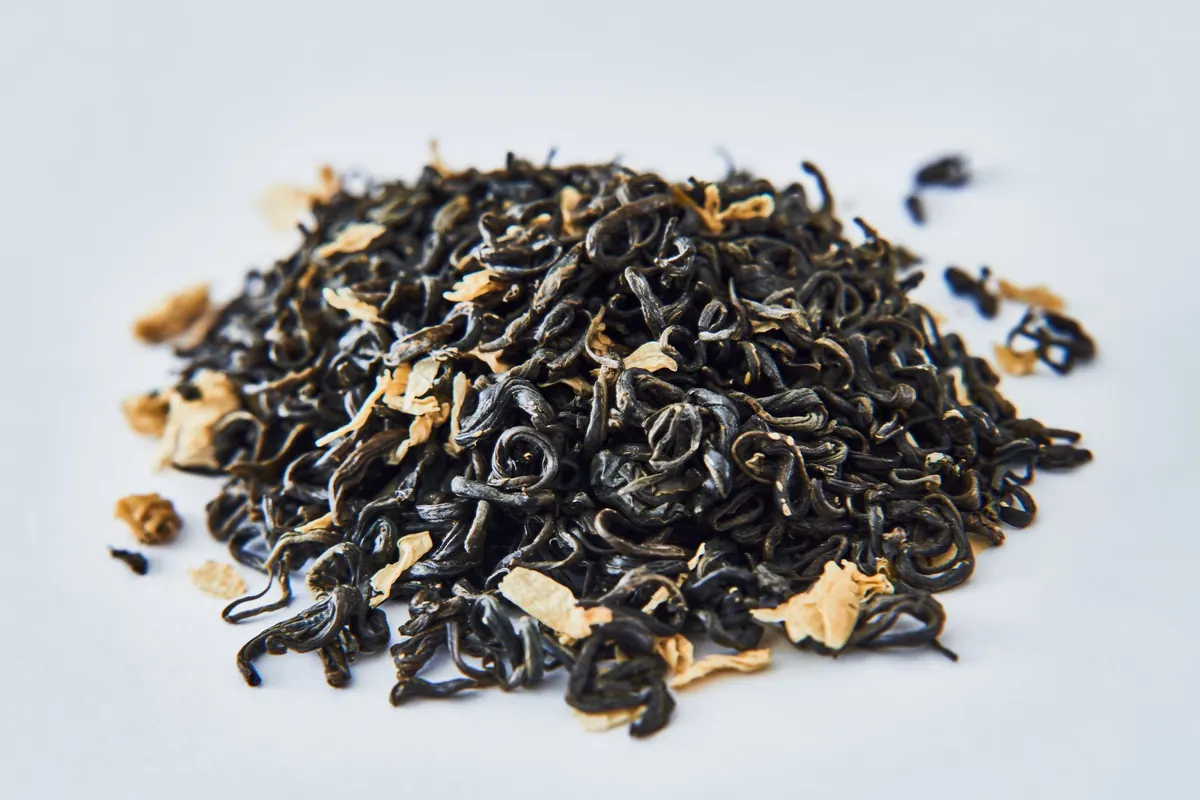
A teapot is lovely. It is not required. Loose-leaf tea asks for three things: leaves, hot water, and a way to keep the two from overstaying their welcome. Everything else — the pot, the tray, the little wooden scoop — is optional. The four methods below cover the full range, from a mug on a desk to a gaiwan on a tea table. Pick the one that matches your kitchen, your patience, and the tea you happen to be drinking.
The Three Numbers That Matter More Than Gear
Equipment is forgiving. These are not. Before you choose a method, get roughly right on leaf, temperature, and time.
- Leaf: about 1 teaspoon (2–3 g) per 200–250 ml for large-leaf teas like oolong or full-leaf black. Small or broken leaves release faster, so use a little less. A gaiwan flips this: plenty of leaf, little water, many short steeps.
- Water: green and white teas around 70–80°C; oolong 85–95°C; black tea, puerh, and herbals just off the boil. No thermometer? Boil the kettle, then pour the water into a cool mug and let it sit a minute or two before it meets the leaves.
- Time: 1–3 minutes for green and white, 3–5 for most black and oolong, longer for herbals. Bitter tea is almost always a timing or temperature problem, not a bad leaf.
A disappointing cup is usually one adjustment away from a good one — not one new piece of equipment away.
Method 1: A Basket Infuser in Your Everyday Mug
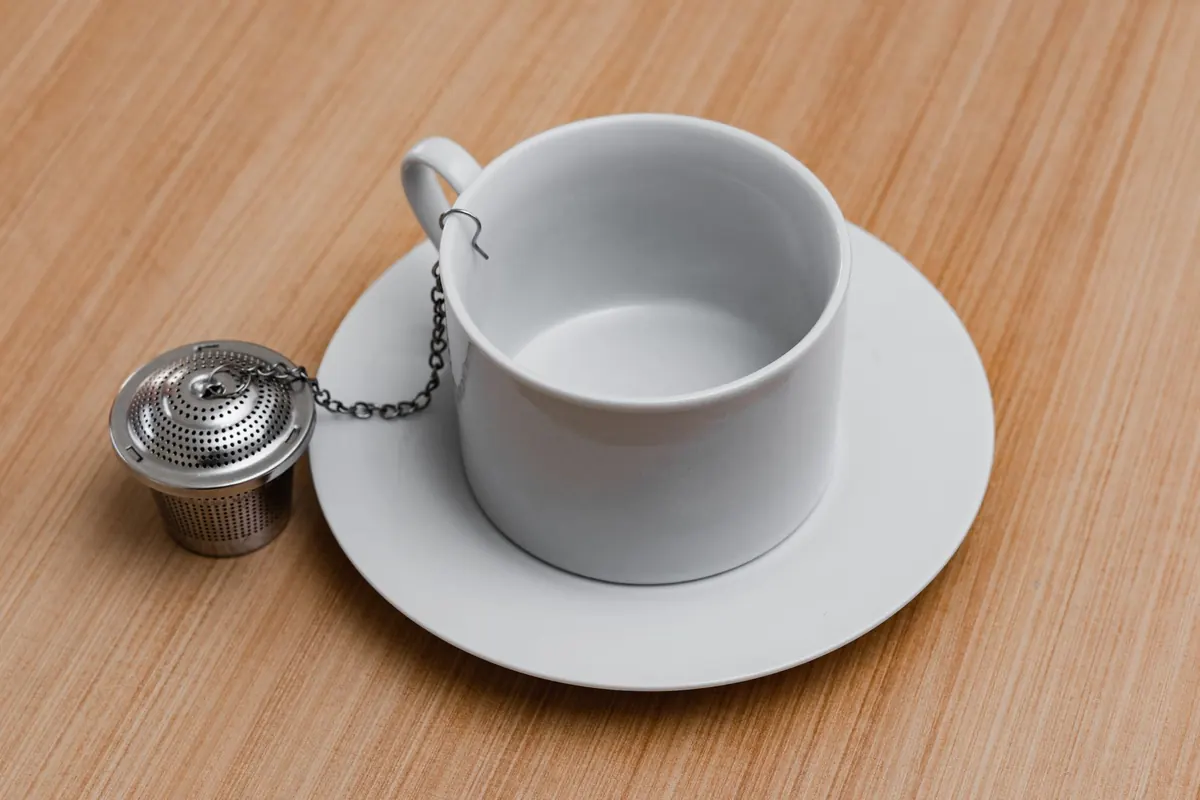
This is the cheapest way in and it works with almost any tea. Look for a deep, fine-mesh basket rather than a shallow ball, because leaves need room to open. A cramped infuser makes thin, sour tea.
- Warm the mug with hot water, then empty it. This keeps the tea from cooling mid-steep.
- Set the basket in the mug and add your leaves.
- Pour the water over them and start counting.
- When time is up, lift the basket out and rest it on a saucer. Don't squeeze it against the side of the mug.
If your basket is shallow, stir the leaves once with a spoon halfway through so the water reaches all of them. Most loose leaves will give you two or three cups: add 30–60 seconds to each later steep, or use slightly hotter water.
Method 2: The French Press
A press is often better than a basket because the leaves tumble freely and you can pour the tea off completely. Use one you don't press coffee in, or your cup will taste faintly of last Sunday's roast.
Add the same ratio you'd use in a mug — roughly 1 teaspoon per 250 ml — then fill with water and leave the plunger up. Steep four minutes for black tea, three for oolong. When the time is up, press down only about two centimetres, just enough to trap the leaves below the surface, and pour. Better still, pour everything into a second mug or jug. Tea left sitting on the leaves keeps getting stronger, and the last third of the press is always the harshest.
Method 3: The Gaiwan
A gaiwan is a small lidded bowl, usually around 100 ml, and it costs less than most teapots. It's the most flexible brewer there is: adjust the leaf, water, and seconds and you can brew nearly anything in it. The trade-off is that steeps are short and frequent, so it suits a moment when you're willing to pay attention.
How to brew
- Warm the gaiwan, then add a generous tablespoon of leaf — far more than you'd use in a mug.
- Pour water down the side to just below the rim, replace the lid, and wait. Start at 10–20 seconds; add 5–10 seconds to every steep after that.
- To pour, hold the lid knob with your thumb, support the saucer from below, and tip the tea out through the gap between lid and bowl into a cup. Do this over a sink the first few times. It is hot, and everyone spills.
Why bother
Because you taste the tea change. An oolong might give six or eight steeps, each one a little softer, sweeter, or more mineral than the last. In a mug, you get one version of the tea. In a gaiwan, you get the whole arc of it.
Method 4: The Two-Mug Decant
No strainer, no press, no lid. This works with whole-leaf teas — oolongs, large-leaf blacks, many whites — and fails with dusty broken grades, which cloud the cup and never settle. Steep your tea in one mug, stir once, then wait about a minute after the steeping time is up. Most of the leaves will drop. Pour slowly into a second, pre-warmed mug, stopping before the last mouthful, which is where the grit lives.
The relaxed cousin of this method is sometimes called grandpa style: leaves straight into the mug, water on top, and you drink as the leaves sink, topping up with hot water as you go. It's how a great many people in China actually drink tea at a desk. It's inexact, and it's pleasant.
Matching the Method to the Tea
Whole, heavy leaves do well in a gaiwan or a press. Delicate greens are happiest with a basket and cooler water, where you can pull them out on time. If you're brewing a flavoured blend or a fine-cut black, a basket is kinder than a press — those small particles turn bitter fast when they stay in the water.
Start With One Cup, Adjust From There
Pick the basket and mug tonight. Tomorrow, if the tea tasted thin, add a pinch more leaf; if it was sharp, shave thirty seconds off the steep or let the water cool a little longer. Move to the French press when you want more than one cup, and to the gaiwan when you're curious what a tea does over eight rounds. Rinse everything with hot water rather than soap, and don't leave wet leaves sitting in the vessel overnight. The gear can stay simple. The tea is the part worth fussing over.
Photo: Suki Lee / Pexels