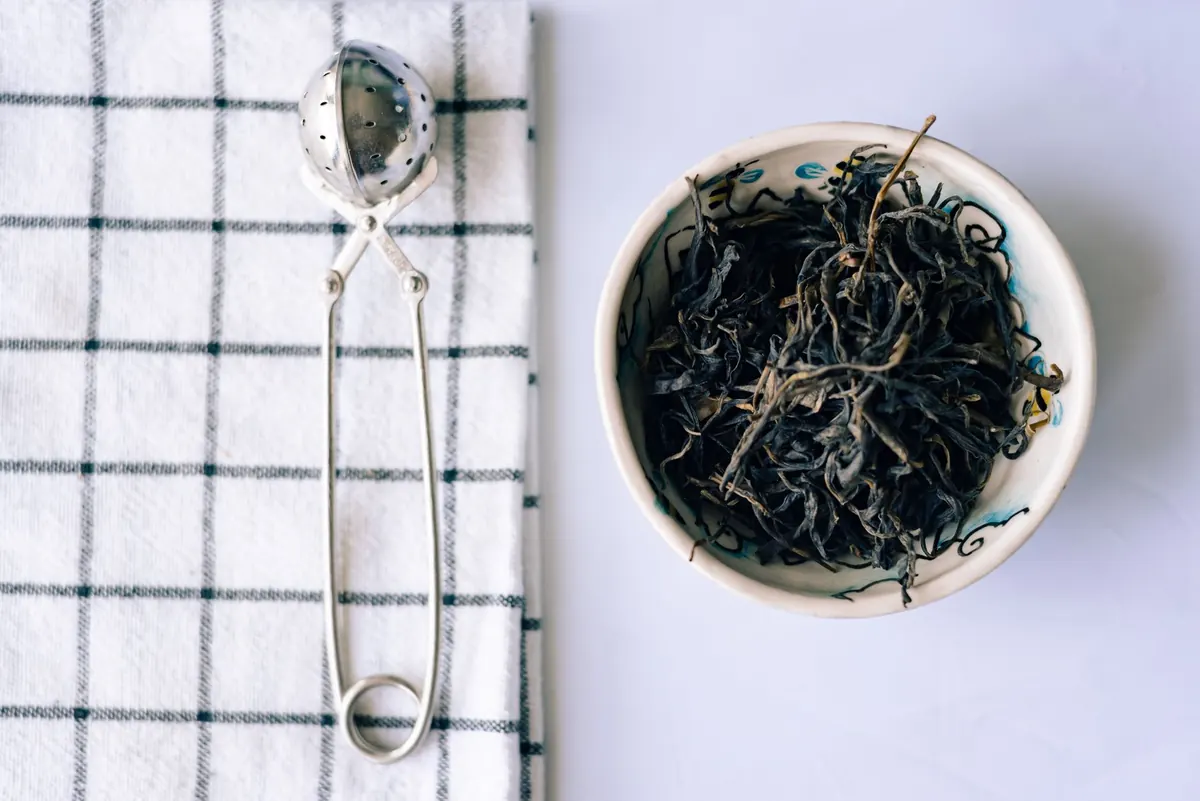
Oolong and pu-erh sit at the deep end of the tea shelf, and they intimidate newcomers for opposite reasons. Oolong asks you to pay attention to temperature and timing. Pu-erh asks you to trust a pressed cake of leaves that looks more like a brick than a beverage. Both get lumped together as "the complicated ones," which does them a disservice. They are different drinks made from the same plant, and once you know the basics, choosing between them gets much easier.
What Each Tea Actually Is
All true tea comes from Camellia sinensis. What changes is what happens to the leaf after picking.
Oolong is partially oxidized. The leaves are withered, bruised to start oxidation, then stopped at some point along the spectrum between green and black tea. That middle ground is wide. A light Anxi tieguanyin might be only lightly oxidized, while a roasted Wuyi rock oolong or a Taiwanese Dong Ding sits much darker. Classic regions include Fujian, Guangdong, and Taiwan, and the flavor range follows accordingly: from lilac and cream to toasted grain, cocoa, and stone fruit.
Pu-erh comes from Yunnan and is defined by post-fermentation, meaning microbial activity continues after the tea is finished. There are two main styles. Sheng (raw) is sun-dried, often pressed, and ages slowly; young sheng can be brisk, bitter, and floral, softening over years. Shou (ripe) is pile-fermented with heat and moisture to speed up that transformation, giving a smooth, earthy cup right away. Pu-erh is sold loose or compressed into cakes, bricks, and small nests called tuos.
Flavor, Side by Side
If you only remember one difference, make it this: oolong tends to be aromatic and layered, pu-erh tends to be grounded and deep.
- Oolong: floral, buttery, orchid, honeysuckle, toasted rice, roasted nuts, honey, sometimes a mineral "rock" finish.
- Shou pu-erh: damp earth, forest floor, dark wood, leather, cocoa, a sweet date-like finish. Some drinkers love it on the first sip; others need three cups to get there.
- Sheng pu-erh: brighter and more assertive when young—hay, citrus peel, a pleasant bitterness that turns to sweetness in the throat. Aged sheng moves toward dried fruit and camphor.
- Mouthfeel: oolong often feels silky and perfumed; pu-erh often feels thick and coating, with a lingering aftertaste.
Neither family is "better." They simply occupy different moods. Oolong is the tea to drink when you want fragrance and lift. Pu-erh is the one for cold mornings, heavy meals, and slow conversation.
Caffeine: Less Different Than You Think
A common assumption is that pu-erh is gentler and oolong is stronger, or the reverse. In practice, both land in the moderate range—below a strong cup of coffee, above most delicate green teas—and the variables matter more than the category.
Caffeine in the cup depends on how much leaf you use, how hot the water is, and how long you steep. Oolong is usually brewed with plenty of leaf and short infusions, so the first cups can carry a noticeable lift. Pu-erh is often brewed the same way, and since both teas hold up to many re-steeps, caffeine arrives gradually across a session rather than all at once.
Two practical notes. First, aged teas do not lose much caffeine, so don't count on vintage pu-erh being mild. Second, if caffeine affects your sleep, your heart, or a medical condition, treat tea like any other caffeinated drink and check with a healthcare professional about what suits you.
Brewing Oolong
Oolong rewards a little precision. You don't need a full tea ceremony, but you do need water that isn't boiling unless the tea is heavily roasted.
- Use about 5 grams of leaf per 150 ml of water—roughly a heaped tablespoon for a rolled oolong.
- Heat water to 85–90°C for light oolongs, closer to 95°C for roasted ones.
- Rinse quickly if you like, then steep 20–30 seconds for the first infusion.
- Add 5–10 seconds to each subsequent steep. Good oolong gives five to eight cups from the same leaves.
If the result tastes thin, add leaf. If it tastes bitter or drying, shorten the steep or drop the temperature slightly.
Brewing Pu-erh
Pu-erh is forgiving about temperature and fussy about one thing: the rinse.
- Break off about 5–7 grams from a cake using a tea pick or a clean, thin knife. Work with the grain of the press, not against it.
- Use fully boiling water—100°C. Pu-erh can take it.
- Rinse the leaves for 5–10 seconds and pour that water away. This wakes the leaf and clears dust from storage.
- Steep 10–20 seconds for the first real cup, adding a few seconds each round. Expect eight or more infusions.
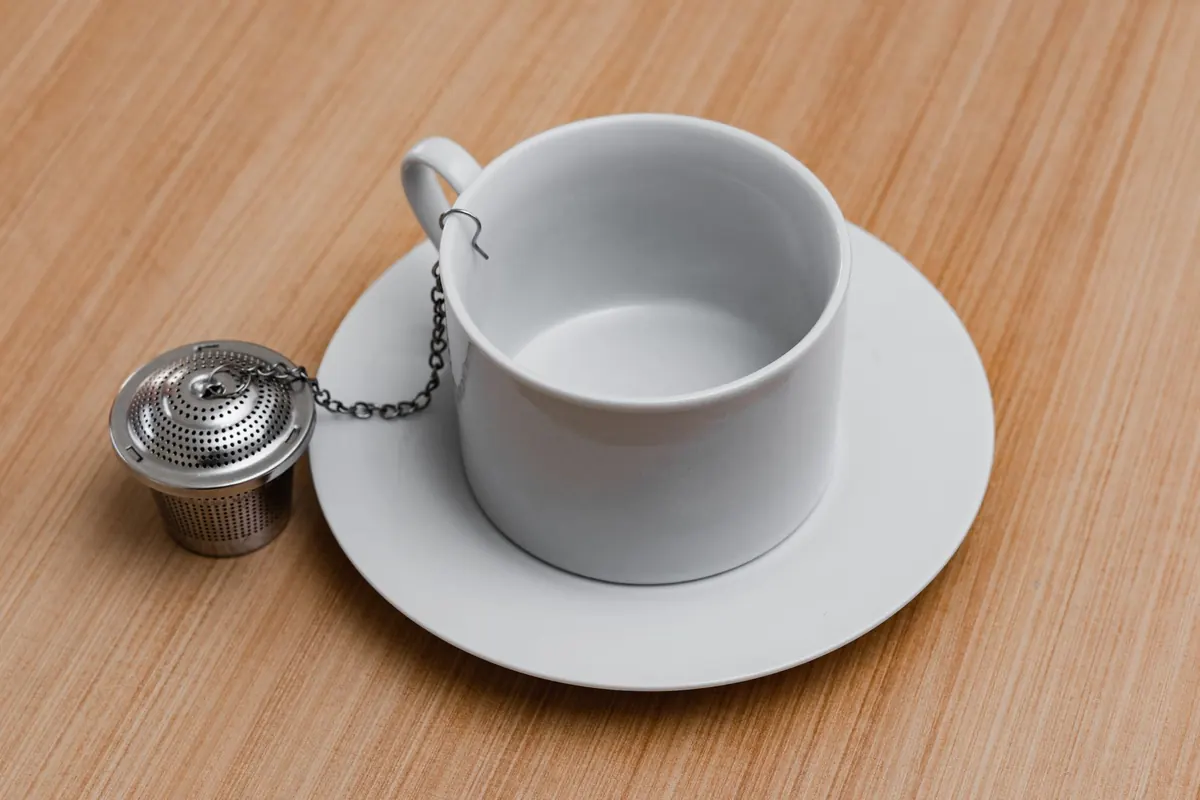
Young sheng often benefits from a slightly gentler pour and a shorter first steep, while shou can be pushed harder without turning harsh. If you don't own a gaiwan, a small teapot or even a mug with a strainer works fine—just reduce the leaf and lengthen the time.
Tasting Them Side by Side
The fastest way to learn either tea is to drink them against each other. Pick one light oolong, such as a Taiwanese high-mountain tea, and one shou pu-erh. Brew both in small cups, using the same water, and taste them in alternating sips.
Notice three things: the smell of the wet leaves, the first impression on the tongue, and the aftertaste a minute later. Oolong usually announces itself up front and fades. Pu-erh often starts quietly and stays with you. Write a few words down—"orchid," "wet bark," "sweet finish"—and you'll build a vocabulary faster than any chart can give you.
A Practical Starting Point
Buy small amounts. A 50-gram pouch of oolong and a modest 100-gram cake or tuo of shou pu-erh will tell you more than any description, and neither needs to be expensive to be good. Store them away from light, heat, and strong smells; pu-erh in particular will absorb whatever is nearby.
Drink the oolong within a year or so of opening if it's lightly oxidized, and don't worry about "cellaring" anything until you know what you like. Start with 5 grams, water just off the boil, and short steeps. Adjust from there. Within a week you'll know whether you're an oolong person, a pu-erh person, or—most likely—someone who keeps both on the shelf and chooses by mood.
Photo: Kseniya Budko / Pexels