Herbal tea looks like the easy option. No tannins to chase, no vintage to worry about, no precise leaf-to-water calculus. Drop a bag in a mug, add hot water, done.
That is roughly what most of us do, and it is why so many cups of chamomile, mint, and rooibos end up tasting like hay, dishwater, or damp twigs. Tisanes do not fail because they are difficult. They fail because we treat every leaf, root, flower, and seed as if it were the same material. Fix the seven habits below and you will notice the difference in your next cup.
1. Using One Water Temperature for Everything
Plant parts behave differently in hot water. Leaves and flowers hold their aromatics in fragile essential oils that flash off in a rolling boil, which is why mint steeped in furiously hot water tastes flat and vaguely vegetal. Roots, bark, seeds, and spices are dense and need sustained heat to give up anything at all.
Here is a workable starting point:
- Delicate flowers and soft leaves (chamomile, lemon balm, mint, linden, rose): 80–90°C. Boil the kettle, then wait two or three minutes before pouring.
- Firmer leaves and dried fruit (rooibos, hibiscus, rosehip): 95–100°C.
- Roots, bark, seeds, and spices (ginger, cinnamon, fennel, licorice, cardamom): boiling water, then keep the pot at a low simmer for 10–15 minutes.
If you own a thermometer, use it for a week. After that you will judge the temperature by the sound of the kettle and the steam rising off it.
2. Steeping Until You Forget About It
Longer steeping does not mean more flavour. Most of the bright, perfumed notes come out in the first three minutes. What keeps arriving after that is bitterness, astringency, and a chalky mouthfeel that no amount of honey hides. Oversteeped chamomile turns bitter and grassy; oversteeped mint tastes stewed.
As a general guide, give soft leaves and flowers 3–5 minutes, hardy leaves like rooibos and hibiscus 5–8 minutes, and simmered roots and spices 10–15 minutes. If you want a stronger cup, add more herb rather than more time.
For delicate flowers, cold infusions are the quiet trick. Put chamomile or mint in cold filtered water and refrigerate for 8–12 hours. You get the aroma without a trace of bitterness. Set a timer when you brew hot, and taste at three minutes, then at four, then at five. Note the minute you liked best and repeat it tomorrow.
3. Guessing at Dosage
A teaspoon is not a universal measure, because a teaspoon of dried mint weighs a fraction of a teaspoon of ground ginger. Undershoot and you are drinking coloured water; overshoot and you are drinking a tonic that fights back.
Reasonable defaults for a 250ml cup:
- 1 heaped teaspoon (roughly 2–3g) of dried leaves or flowers
- 1 teaspoon of chopped roots, bark, or seeds, since these are denser and more concentrated
- 1 tablespoon of fresh herbs, lightly packed
- About ½ teaspoon for finely powdered herbs
Those amounts are a baseline, not a rule. Some herbs are naturally assertive and need less; some are gentle and can take more. Scale the whole calculation up when you brew a pot, and remember that a 500ml pot needs double, not "a bit more".
4. Leaving Ingredients Whole or Overcrushing Them
Whole cinnamon quills dropped into a mug release almost nothing in five minutes. The same goes for ginger coins, whole cardamom pods, and uncrushed fennel seed. A quick crush with the back of a spoon or a mortar and pestle opens the cells and doubles the flavour you get from the same spoonful. Tear large leaves into smaller pieces as well.
The opposite mistake is grinding everything to dust. Fine powder clouds the cup, clogs strainers, and goes stale within weeks. Aim for cracked and broken, not pulverised. For fresh ginger, slice it thin and leave the skin on if it is clean.
5. Blending by Enthusiasm Instead of Balance
A six-herb blend almost always tastes like nothing in particular. The usual culprits are too many ingredients, mismatched steeping times, and no clear base. A blend needs a spine.
Try this ratio: 60–70% base, 20–30% supporting note, 5–10% accent. Then match steeping times, or steep separately and combine. Peppermint with tough cinnamon bark will never work in one pot, because the mint is spent before the cinnamon has begun.
Two combinations that behave well: two parts peppermint, one part chamomile, a pinch of lavender. Or three parts rooibos, one part dried orange peel, one part broken cinnamon, all happy with near-boiling water. Write down what you used. A blend you cannot reproduce is a blend you cannot improve.
6. Ignoring the Water and the Pot
Herbal tea is mostly water, so the water matters. Strongly chlorinated or very hard water flattens aroma and can leave a mineral film on the surface. Filtered water is worth the small effort.
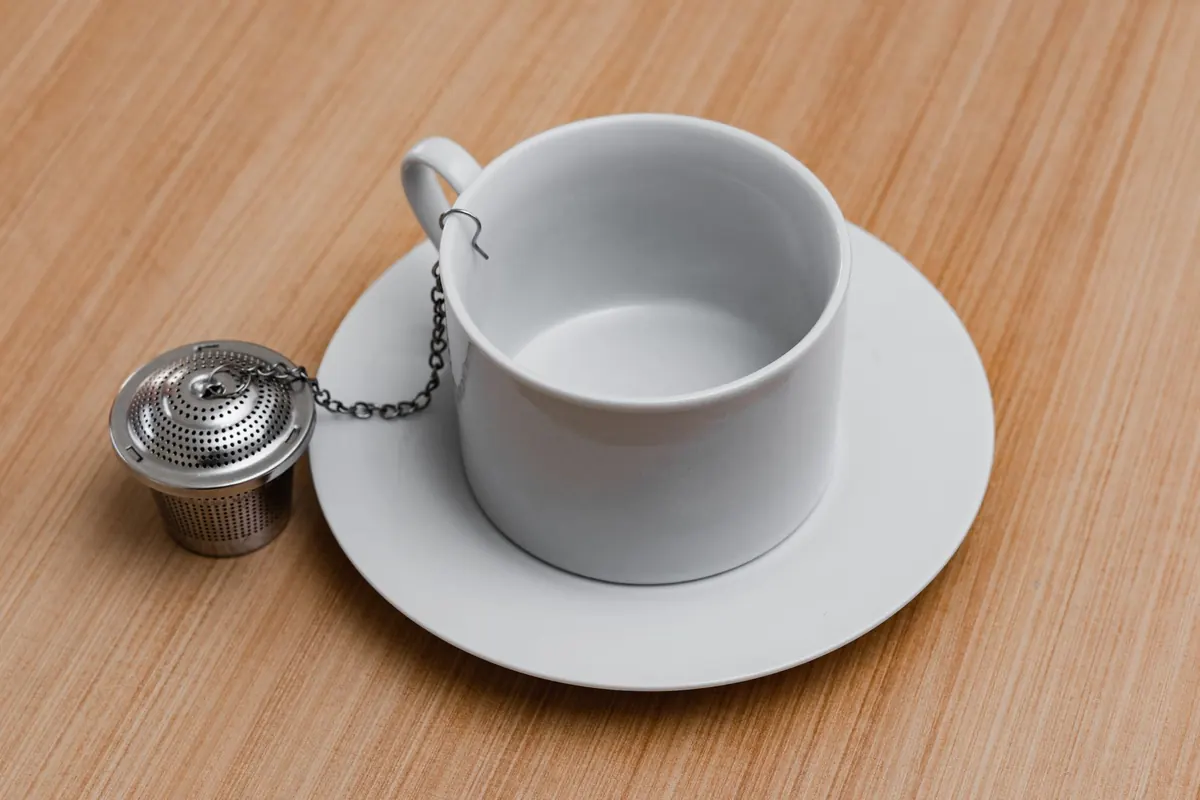
Equipment matters less than you would think, but a few habits help. Preheat the pot or mug with hot water so a thin glass vessel does not pull the heat straight out of your brew. Cover it while steeping; a saucer on top works fine and keeps the volatile oils in the cup rather than in the kitchen. Give the herbs room to move instead of cramming them into a tiny ball infuser, and let them float free in the pot when you can, straining as you pour. Rinse the pot properly between brews, because old oils linger and turn every subsequent cup slightly muddy.
7. Storing and Buying Herbs Like They Last Forever
Dried herbs fade. Aroma is the honest measure: if a bag smells like dust or hay, no brewing technique will rescue it. Buy small quantities from a shop with steady turnover, and smell before you commit.
At home, keep herbs airtight, dark, and cool, away from the stove. Clear jars on a sunny shelf are the enemy of every tisane you own. Label each container with the date you opened it. Whole leaves and flowers keep their character for about a year, denser roots and bark closer to two, and powders far less. When in doubt, trust your nose over the label.
A Short Routine That Fixes Most of This
Before you brew, ask three questions: what plant part am I using, what temperature does it want, and how much am I actually putting in? Then cover the pot, set a timer, and taste before you decide it needs more time. Adjust one variable at a time so you know what changed.
Keep a few notes, whether in a notebook or on your phone, recording the herb, the amount, the temperature, and the steeping time you preferred. Your water and your taste are not identical to anyone else's, so the best recipe is the one you have tested twice.
One sensible caution: herbs are not automatically mild just because they are plants. Some interact with prescription medicines, and some are not appropriate during pregnancy or while nursing. If you take medication regularly or are expecting, check with a pharmacist or doctor before making a new herb part of your daily routine.
Photo: DRAKE NICOLLS / Pexels