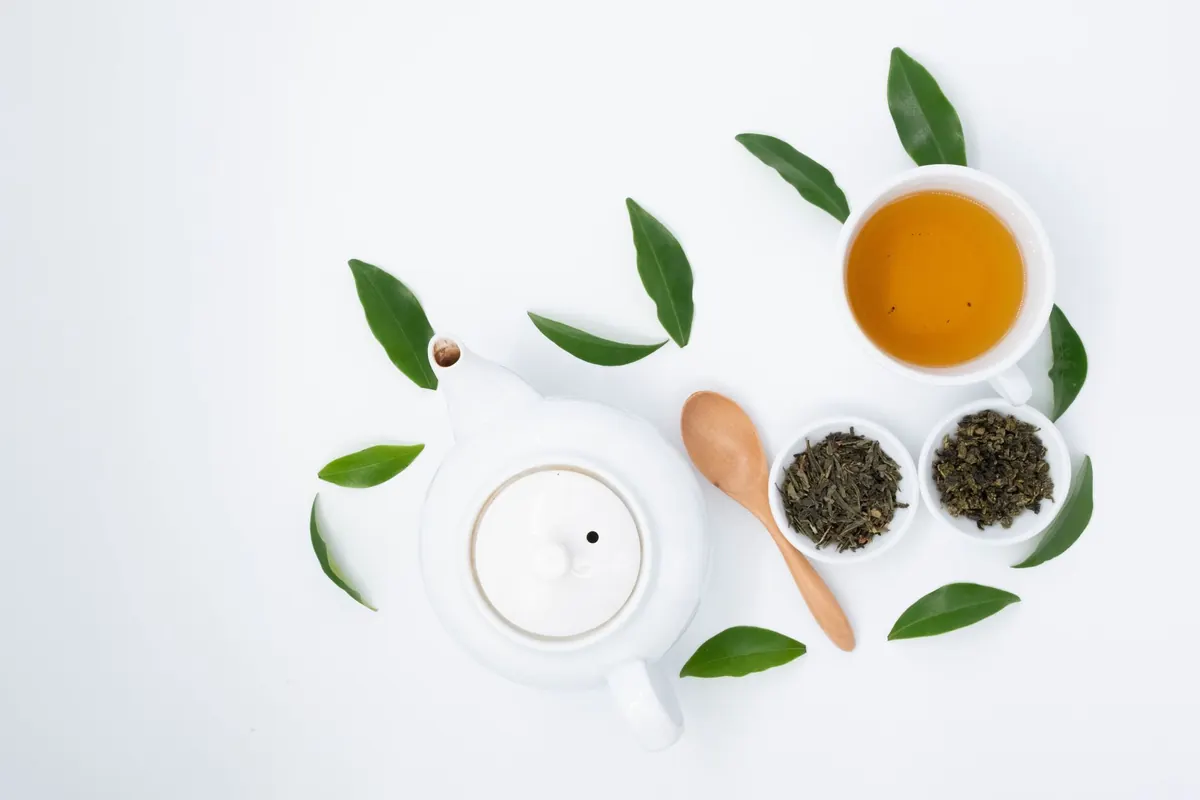
Most beginner tea setups fail in one of two directions. Either you keep steeping dusty bags in a chipped mug and wonder what the fuss is about, or you buy a gaiwan, three strainers, a bamboo tray and a clay pot in a single weekend, then lose interest by March. The gear that actually matters sits in the middle: a short list of tools that make a good cup repeatable, and that you would buy again if they broke tomorrow.
A Kettle You Can Set to a Temperature
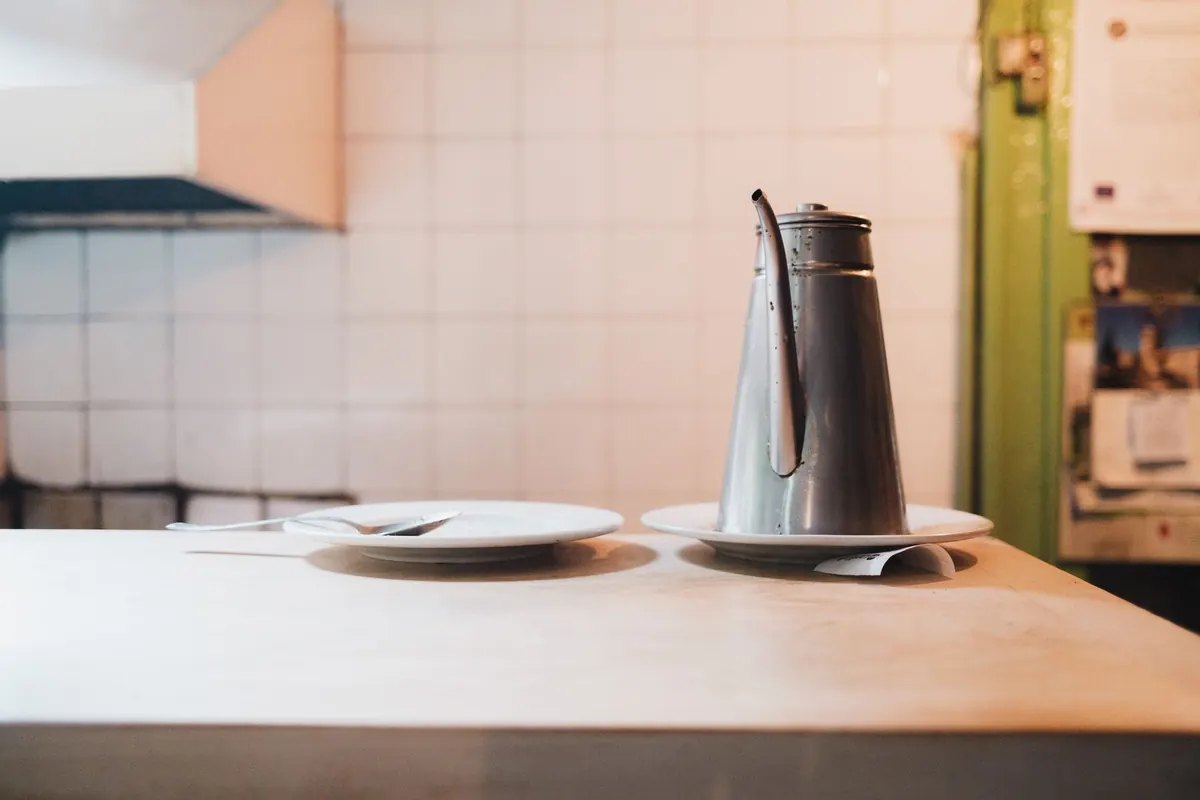
This is the one purchase that changes the most for the least effort. Boiling water poured onto a delicate green tea scorches the leaf and turns the cup bitter, and no amount of careful steeping fixes it. A variable-temperature electric kettle solves the problem with a dial.
If you already own a stovetop kettle, don't replace it yet. Buy an inexpensive kitchen thermometer and learn your kettle's personality. Boil, then let it sit with the lid open for a couple of minutes; that usually lands near the range you want for greens. Pouring boiling water into a cool pitcher or cup drops the temperature quickly too. As rough working numbers: greens and whites generally want water well below boiling, oolongs sit in the middle, and blacks and puers take water close to a full boil.
A Scale, Because Tea Is Sold by Weight
Scoops lie. A teaspoon of tightly rolled oolong can weigh several times what a teaspoon of broken black leaf weighs, so the same scoop gives you two completely different cups. Weighing the leaf removes the guesswork, and it takes four seconds.
Look for a small digital scale that reads to 0.1 grams. A ratio of roughly one gram of leaf per 100 millilitres of water is a sensible starting point, then adjust up for a bolder cup or down if it feels heavy. Once you know your preferred ratio for a tea you drink often, you can stop thinking about it entirely.
An Infuser With Room for the Leaves to Move
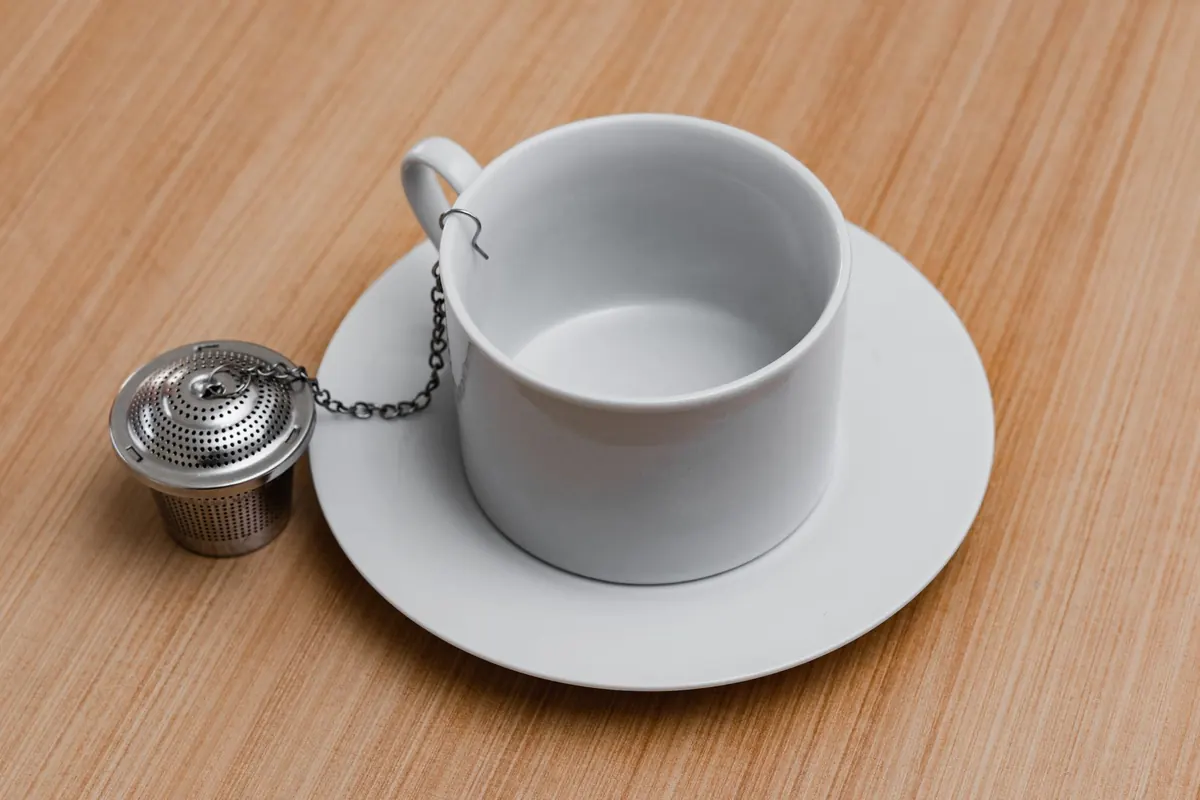
Whole leaves need space to unfurl. A cramped mesh ball strangles them, and the resulting brew tastes thin and flat. Choose a basket infuser that fills most of your cup or pot, with holes fine enough to hold small pieces but open enough to let water circulate.
Three workable routes:
- A basket infuser sized to your favourite mug. Cheap, easy to rinse, travels well.
- A small teapot with a built-in strainer. Good if you brew two or three cups at a time and want to keep the leaf out of the pour.
- A gaiwan. A lidded porcelain bowl, no infuser at all. Cheaper than most teapots, endlessly flexible, and worth trying once you're comfortable pouring quickly.
A French press you already own also works well for large-leaf tea. Treat it as a dedicated tea press if you can, since coffee oils linger.
Two Cups You Genuinely Enjoy
Drinking delicate tea from a thick-walled mug is like listening to a violin through a wall. Thin porcelain or glazed ceramic lets you smell the tea as you sip, which is most of the pleasure. Small cups, somewhere between 60 and 100 millilitres, also let you taste a tea as it changes across several steeps instead of going cold in a pint of liquid.
Buy two. One for you, one for whoever wanders into the kitchen, and two so you can taste the same tea side by side when you change a brewing variable. Always preheat them with hot water first; a cold cup drags the temperature of the first sip down noticeably.
The Unglamorous Supporting Cast
These cost little but quietly do a lot of work:
- A timer. Your phone is fine. Start it when the water hits the leaf, not when you sit down.
- A small towel. Tea involves drips. A folded cloth beside the kettle prevents a sticky counter.
- A shallow tray or dish. Catches the rinse water and holds a wet infuser between steeps. A saucer does the job before you commit to anything fancier.
Care Tools That Keep Everything Usable
Teaware lasts when it is cleaned promptly and dried properly. Rinse baskets, cups and strainers with hot water as soon as you finish drinking; dried leaf sticks like glue and stains porcelain over time.
A soft bottle brush reaches into narrow pots and spouts. Skip dish soap on unglazed clay, which is porous and will hold onto the scent of lemon forever. For stubborn stains on glazed porcelain, a paste of bicarbonate of soda and water lifts most of it without scratching. Dry everything upside down on a rack rather than stacking damp cups, and descale your kettle every few weeks with a vinegar-and-water boil or a citric acid solution, then rinse thoroughly and boil fresh water twice before using it for tea.
What You Can Skip for Now
Nothing here is forbidden forever. It simply isn't needed to make good tea this week:
- Dedicated clay pots, which are lovely but demand that you match one tea to one pot.
- Large matched sets of cups, pots and trays.
- Twelve-sample tasting kits that overwhelm more than they teach.
- Decorative accessories that sit on the tray and never touch water.
Build the Tray in Order
Buy in the sequence you'll use: kettle, then scale, then infuser, then cups, then the small care items as you notice you need them. Add one thing at a time and brew the same tea three times before changing anything else, so you can actually tell what made the difference. A modest kit used often will teach you more in a month than an expensive one used twice.
Photo: ric perin / Pexels